Every Vehicle Call Arrives as One of Four Sentences
Almost every vehicle call arrives as one of four sentences: I am locked out, I have lost my keys, the key will not turn, or the key turns and the car will not start. Those are four different jobs needing four sets of equipment, and telling them apart on the phone is what makes a single visit realistic. Our locksmith for car lockout service handles the first; the rest are covered below.
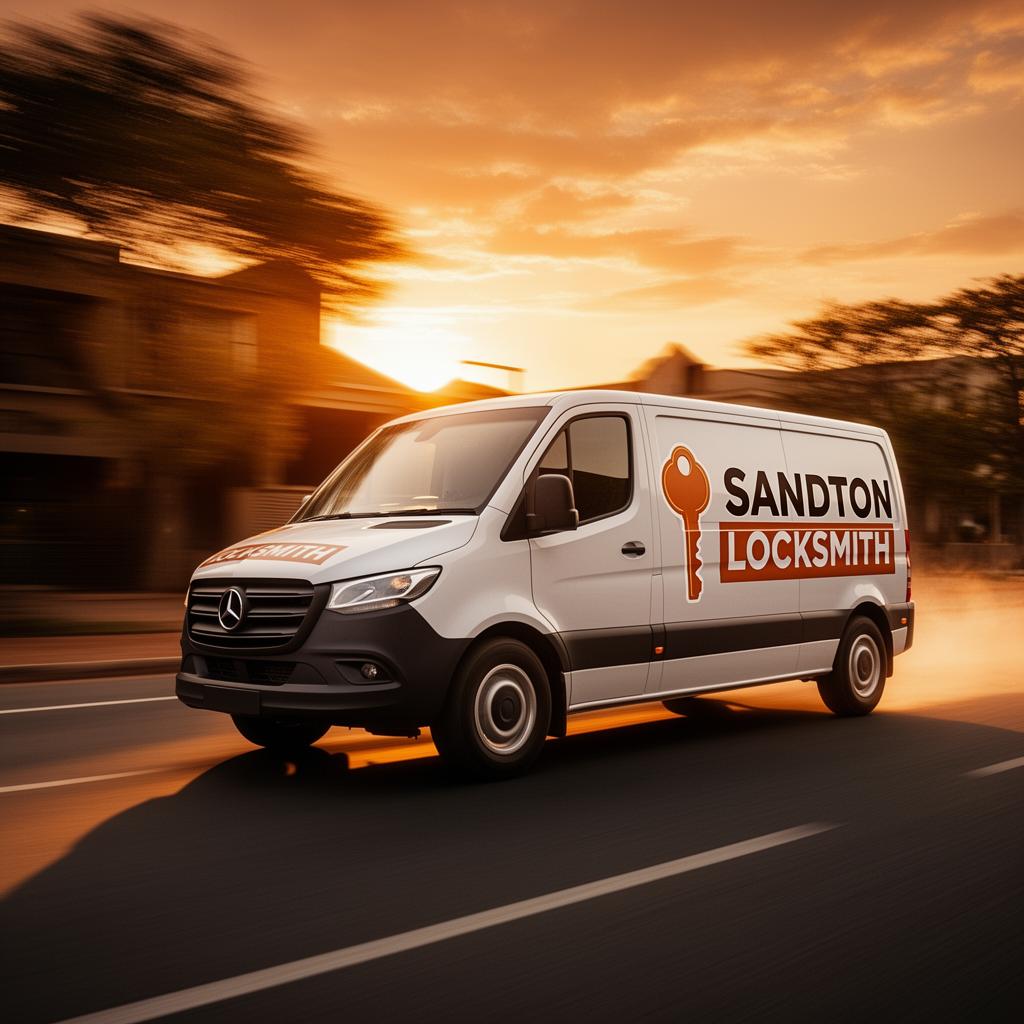
Everything happens at the vehicle. A car with no working key does not drive to a workshop, and recovering it to a dealership adds a tow plus several days. Mobile equipment removes both, and the car is normally driveable at the end of the same visit — the same principle our emergency locksmith dispatch applies to property work.
This page covers the four faults, what decides the price on a replacement key, the proof required before anything is programmed, and the single piece of advice that saves the most money.
Locked out, or the car will not start?
Call with the make, model, year and what is actually happening. A technician comes to the vehicle and you get a price before anybody drives.
Four Faults That Sound Identical
Separating these before anybody is dispatched is the difference between one visit and two, and between the cheap job and the expensive one.
| What you notice | What it actually is | |
|---|---|---|
| Keys visible inside the car | The doors are locked and you can see the keys on the seat or in the boot. | An opening. The quickest and cheapest of the four, with nothing supplied and nothing programmed. |
| Keys genuinely gone | Nothing works. The car cannot be opened or started. | An opening plus a replacement key paired to the immobiliser. Longer, and priced by the vehicle's security generation. |
| Key will not turn | The key goes in and refuses to rotate, or needs a particular angle. | Usually a steering lock under load, sometimes a worn barrel or a worn key. Mechanical rather than electronic. |
| Key turns, engine will not run | It cranks, or fires and dies, and a dash light stays on. | The immobiliser refusing a key it does not recognise. The mechanical side is fine; the pairing is missing. |
The third of those has a free fix worth trying first: rock the steering wheel firmly left and right while turning the key gently, because a steering lock under load will not release. Do not force it — pressure on the key is what snaps it, and our locksmith for ignition repair page covers what to check after that.
Why the Car Decides the Price, Not the Key
People expect a replacement key to be priced like a key. What is actually being priced is the vehicle's security architecture, and the spread between generations is enormous.
A car built before immobilisers became standard is a straightforward mechanical job. A transponder-era vehicle carries a chip in the head of the key with no battery in it; a coil around the ignition barrel energises it, the chip answers with an identifier, and the immobiliser decides whether it belongs to this car. Where that coil has weakened rather than the chip failing, our locksmith for car lock repair page explains how the two are told apart.
A current proximity system goes further again — the fob never leaves your pocket and adding one is an encrypted process rather than a copy. On some manufacturers that needs a security code obtained through a verified channel before anything can be written to the vehicle at all, which is the commonest reason a job runs longer than expected. Our locksmith for transponder programming page explains the handshake.
Which is why a figure quoted before anybody has asked which car you have is not a figure for your car. Three details produce a real number, and our locksmith for car key replacement page sets out what each generation involves.
What We Are Called To Most
Six situations covering the bulk of vehicle work, and what each one actually needs on the van.
Keys locked in the car
Quick, provided nobody improvises first. Modern door cavities hold the loom, the actuator and often a side airbag.
Down to one working key
The cheapest moment to act by a wide margin. Adding a key while the system still has an accepted one is short and comparatively inexpensive.
Every key lost
The immobiliser is addressed directly, and on many models the whole key set is rebuilt — which erases any spare that turns up later.
Key stiff in the ignition
Mechanical wear, and frequently the key rather than the barrel. Try a drawer spare first, because it may end the question at no cost.
Remote stopped locking the doors
The car still starts, so this is a battery or pairing issue rather than an immobiliser fault. Much the smallest of these jobs.
One door will not unlock
Usually the actuator inside that door rather than the barrel. Press the remote and listen — a healthy actuator makes a distinct clunk.
Proof of Ownership, Every Time
No vehicle is opened and no key is programmed without establishing that the vehicle belongs to the person asking. This is not negotiable and it is not waived for anybody.
In practice that means identification matching the registration document, with the vehicle present. A company vehicle needs a letter of authority on the company's letterhead alongside the registration. A hire or fleet car needs authorisation from the operator rather than from whoever is holding the steering wheel.
If your documents are locked inside the car — which happens constantly — say so during the call. It is workable and the technician will work through what can be verified another way, but it is far better raised on the phone than discovered at the roadside.
The reason is straightforward. Without that check, anybody could have a key made to any car they happen to be standing next to. A locksmith willing to skip it for you would skip it for the next person, on your vehicle, in a centre parkade while you are inside — which is why our locksmith for car keys team applies it without exception.
How a Vehicle Job Runs
Five steps, and the first happens on the phone. It determines everything that follows, including whether one visit is enough.
- Step 1
The fault is classified
Lockout, lost keys, will not turn, or will not start. Four different jobs, and a van loaded for the wrong one becomes a second visit.
- Step 2
Vehicle details taken
Make, model and year, plus what type of key it is. Component layout and security architecture differ enormously across generations.
- Step 3
Location and access established
A forecourt, a parkade level, an estate driveway. In a parkade the nearest lift matters far more than a bay number.
- Step 4
Ownership verified on site
Identification against the registration, with the vehicle present. Company and fleet vehicles need authority from the operator.
- Step 5
Done at the car, tested before we leave
Doors, boot, ignition and start, plus remote functions where present. You drive away in the vehicle rather than waiting on a tow.
Down to your last working key?
This is the cheapest moment to add a second one. Call with the make, model and year for a firm figure, with no obligation to book.
What Not To Do While You Wait
Three things account for almost all the damage we are later asked to repair, and all three look sensible at the time.
- Fishing with a hanger or a rod
- Behind a current door skin sit the window regulator, the central locking actuator, the wiring loom and often a side airbag with its sensor. Repairing any of those costs many times the opening.
- Wedging the door frame
- It bends the frame permanently, and on a frameless-window car it breaks the glass seal — after which the door leaks in the first rain and never closes square again.
- Forcing a stiff ignition
- Pressure on the key is exactly what snaps it, and extracting a broken key is a far bigger job than the original stiffness would have been.
- What is worth doing
- Try every other door and the boot. Cars are frequently not as locked as assumed, particularly where a remote has been pressed more than once.
How the Service Operates
Operating commitments rather than claims, each visible during the visit itself.
No record of any key is kept. Nothing about the vehicle, the registration or the location is retained after the visit, and every key produced is handed to you.
Read the reviews on our Google Business ProfileFour Things That Actually Go Wrong
Automotive locksmith work sounds varied and in practice resolves into a small number of situations, each of which needs different information on the phone.
The first is a lockout: the key exists, it works, and it is on the wrong side of the glass. That is the simplest case, and what matters is where the vehicle is standing and whether entitlement can be shown.
The second is a key that is gone. That is a different job, because the vehicle has to be persuaded to accept something new — and the cost turns almost entirely on whether a working key still exists, not on the make of the car.
The third is a key that exists and no longer works. Sometimes that is the remote, sometimes the transponder, sometimes the blade has worn past the point where the cylinder will accept it. Those look identical from the driver's seat and have different answers.
The fourth is the car's own hardware failing — a barrel that will not turn, an ignition that has worn, a door latch that has stopped responding. That is repair work rather than key work, and it is the category most often misreported as a key problem.
Establishing which of the four you have is most of the value of the phone call, and it is why the registration and a plain description of what happens when you try are asked for first. The same applies at the sharp end of it on a car lockout in Sandton call.
Mobile Work and What It Cannot Cover
Automotive locksmith work is mobile, and it is worth being straightforward about where the boundary of that sits rather than discovering it on site.
What comes to the vehicle is the ordinary run of the work: opening a locked car, extracting a broken key, diagnosing and repairing a door lock or an ignition barrel, and establishing keys on the great majority of vehicles on the road here.
What does not is anything requiring the vehicle to be lifted, dismantled, or taken into a workshop environment — significant body damage after an attempted theft, an ignition assembly that has to come out with the steering column, or electrical faults that are not lock faults and belong with an auto-electrician.
There is also a category that is nobody's fault and worth stating plainly: a small number of vehicles, generally recent and generally where the manufacturer restricts key data tightly, are dealership work. Hearing it during the call is worth considerably more than paying somebody to come and say it.
The honest position is that most vehicles are handled at the roadside and a minority are not, and the registration is what settles which group yours is in before anybody travels. It is the same principle as scoping a commercial locksmith in Sandton job before dispatching a technician.
Vehicle Locksmith Services by Area
The same work, dispatched from whichever van is nearest to where the car is standing.
Locksmith for car keys in Sandton
Replacement keys supplied and paired at the roadside, priced by the car's security generation rather than by the key.
locksmith for car keys SandtonLocksmith for car lockout in Sandton
Vehicles opened where they stand, without damage to glass, trim or the wiring inside the door.
locksmith for car lockout SandtonLocksmith for car keys in Fourways
Shared family cars, spare keys and the estate access that decides how long a callout takes.
locksmith for car keys FourwaysLocksmith for car lockout in Midrand
Residents' bays, office parks and the N1 corridor, with commuter wear patterns covered in detail.
locksmith for car lockout MidrandLocksmith for car keys in Randburg
Older transponder systems, worn barrels and dead remotes told apart properly before anything is replaced.
locksmith for car keys RandburgLocksmith for car lockout in Centurion
Estate bays, mall parking decks and N1 forecourts, plus what an estate guard will actually ask for.
locksmith for car lockout CenturionThree details and you get a real price
Make, model and year, plus what the key is actually doing. Call or WhatsApp and a technician comes to the vehicle.
What a Mobile Automotive Locksmith in Sandton Can Solve On Site
When a car problem leaves you stranded, a local Sandton Locksmith can do far more than open a locked door. An automotive locksmith Sandton customers call most often is the one who can meet you where the vehicle is parked, assess the fault, and solve the issue without turning a simple interruption into a tow or a long wait. If you are dealing with a car lockout, lost car keys, a worn remote, or ignition key issues, a Locksmith Sandton technician can often restore access and get the vehicle usable again on the spot. Vehicle key replacement is a common part of the work, especially when the original has been lost, damaged, or no longer communicates properly with the car.
A skilled Locksmith in Sandton can also handle transponder key programming and remote programming for many makes and models, which matters when the car recognises the blade but refuses to start, or when the buttons stop responding and the vehicle no longer unlocks as expected. For drivers with broken car key extraction needs, careful removal from a lock or ignition is essential before any further repair can happen. An emergency Locksmith Sandton service is especially useful when the issue is urgent and the vehicle is blocking a driveway, parked outside work, or stranded in a shopping centre. A local Sandton Locksmith can inspect the lock, ignition barrel, remote, or electronic starting system and explain the practical next step clearly. For many motorists, that means one visit, one technician, and a faster return to the road with less stress and less disruption.