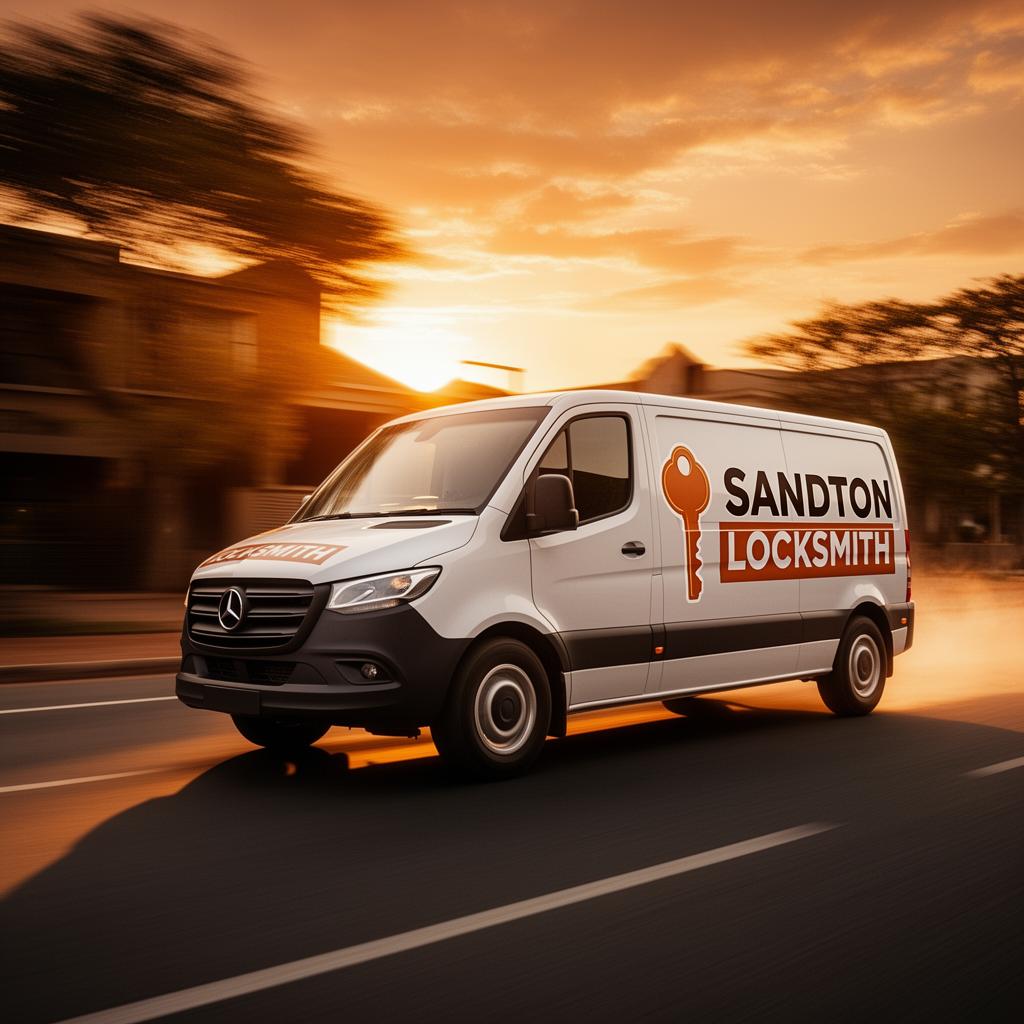
Businesses have security needs that go well beyond a single front door. From multi-tenant office blocks to retail outlets and warehouses, our commercial locksmiths design and install systems that control access, protect assets and keep operations running smoothly.
We work around your business hours, including after-hours and emergency callouts, so essential security work causes minimal disruption to your day.
Detailed Commercial Locksmith Overview
Business security needs go well beyond a single front door. From multi-tenant office blocks to retail outlets and warehouses, our commercial locksmiths design and install systems that control access, protect assets and keep operations running. We schedule work around your trading hours — including after-hours and emergency callouts — so essential security causes minimal disruption.
Core commercial work includes access control, master-key and restricted-key systems, heavy-duty deadlocks, panic and push-bar installation, and rapid repairs after attempted forced entry. When a premises is locked outright our emergency locksmith service restores access fast, and full hardware swaps run through our lock change services.
We design systems around how your team actually moves through the building — something we see first-hand across office parks in Rivonia and Randburg. For mixed-use sites we also coordinate with the same technicians who handle our residential locksmith work, keeping standards consistent.
Securing your business?
Book a commercial site assessment around your trading hours. Call or WhatsApp for access control, master keys and more.
Common Commercial Problems We Solve
Office lockouts before opening are disruptive and costly, so we treat them with real urgency — our emergency locksmith team opens the premises and gets your day moving. Staff turnover is the moment commercial security is most exposed, and a fast rekey or lock change retires former employees' keys immediately.
We install and service access control and master-key systems so managers hold keys that open multiple areas while staff keys are limited to the spaces they need — and a single lost key no longer means rekeying the whole building. Restricted cylinders mean a new key can only be issued with your written authorisation, so you keep full control over who holds one.
Warehouse and retail security, restricted-access areas, commercial safe opening and panic-bar compliance round out our commercial work. Businesses across Sandton and Midrand rely on us to keep premises secure, compliant and operating without interruption.
Why Choose Sandton Locksmith for Business
We work to your schedule, quote upfront, and complete jobs with an equipped mobile technician so you know the cost before any work begins. Master-key systems are designed around your premises rather than sold off a shelf, and every installation is tested and documented. Businesses across Sandton, Fourways and Bryanston rely on this tailored approach for everything from single-office rekeys to multi-building access control.
Staff changes, tenant changeovers and end-of-lease handovers all get fast turnaround, and if a break-in has happened the same team handles both the immediate emergency response and the longer-term hardening through high-security lock changes. We cover office parks across Rivonia, Fourways and Centurion, and retail and warehouse premises throughout Midrand and Randburg.
One provider for emergencies, lock changes, residential and commercial work means consistent advice and a single trusted contact for every property your business touches. For business owners who also need home security, our residential locksmith team applies the same standards to staff housing and executive residences.
Staff just left?
Don't leave old keys in circulation. Phone or WhatsApp for a fast rekey or master-key update that keeps your premises secure.
Areas We Serve for Commercial Work
Commercial locksmith needs vary significantly from one district to the next, and our technicians understand the difference between securing a high-rise financial office and a standalone warehouse. In Sandton, the concentration of corporate headquarters and multi-tenant office towers means frequent requests for master-key systems, electronic access control and rapid response to office lockouts before the trading day begins. We regularly attend buildings in the Sandton CBD where a single jammed front lock can delay hundreds of staff, and our emergency commercial locksmith team treats these with the urgency they demand.
Fourways presents a different profile — retail parks, shopping centres and restaurant precincts where back-of-house security, stock-room locks and staff-entry control matter most. After-hours lockouts at restaurants and retail units are common, and we schedule work around opening hours so security upgrades never interrupt trade. Mixed-use developments in Bryanston combine residential and commercial under one roof, which means our technicians move seamlessly between sectional-title office suites and the residential units above, often carrying out lock change services for both in a single visit.
Rivonia is one of the busiest office-park corridors in the region, and the businesses here demand sophisticated key management. We install and maintain restricted-key systems across multiple suites so that when a tenant moves out or a staff member leaves, only the affected lock needs attention rather than the entire building. For the logistics and distribution hubs in Midrand, warehouse security is the priority — heavy-duty deadlocks on loading bays, access control for contractor entry, and rapid repair after attempted break-ins at overnight facilities.
Randburg covers a broad mix of small-business retail strips, professional offices and light industrial units. Here we handle everything from shop-front lock replacement after a burglary to upgrading standard cylinders on professional suites. In Centurion, the blend of government-adjacent offices, medical suites and expanding commercial estates creates demand for compliant panic-bar installation, restricted-area access control and staff-turnover rekeys that keep sensitive areas protected.
Morningside and the surrounding Sandton fringe include high-rise commercial and sectional-title office blocks where access to shared facilities — lifts, parking, storage — must be managed alongside individual unit security. Our commercial locksmiths fit access-control readers, programme contractor access fobs and carry out emergency lock repairs in these buildings regularly. Wherever your premises sit, we dispatch the nearest technician to minimise downtime and keep your business secure.
How Businesses Can Improve Security Without Replacing Every Lock
Not every security improvement requires tearing out existing hardware. In fact, some of the most effective commercial security upgrades work with the locks you already have, reducing cost while tightening control over who can enter your premises. Here are the approaches our commercial locksmiths recommend most often for businesses across the northern suburbs.
Rekeying after staff changes
When an employee leaves — whether voluntarily, through dismissal or after a contract ends — their keys are still out there until you act. A rekey changes the internal pin configuration so old keys no longer work, but the existing lock hardware stays in place. It is faster, cheaper and less disruptive than a full replacement, and it closes the security gap the same day. For businesses with high turnover, this is the single most important habit to adopt, and our lock change services include same-day rekeying across Sandton, Fourways and beyond.
Restricted-key and master-key systems
A restricted-key system prevents anyone from copying your keys without authorisation — the blanks are simply not available to general locksmiths. This gives you absolute control over how many keys exist and who holds them. A master-key system takes this further by allowing one management key to open multiple doors while staff keys are limited to the areas each person needs. For office parks in Rivonia and multi-suite buildings in Midrand, these systems turn chaotic key management into a simple, scalable process.
Access control upgrades and contractor management
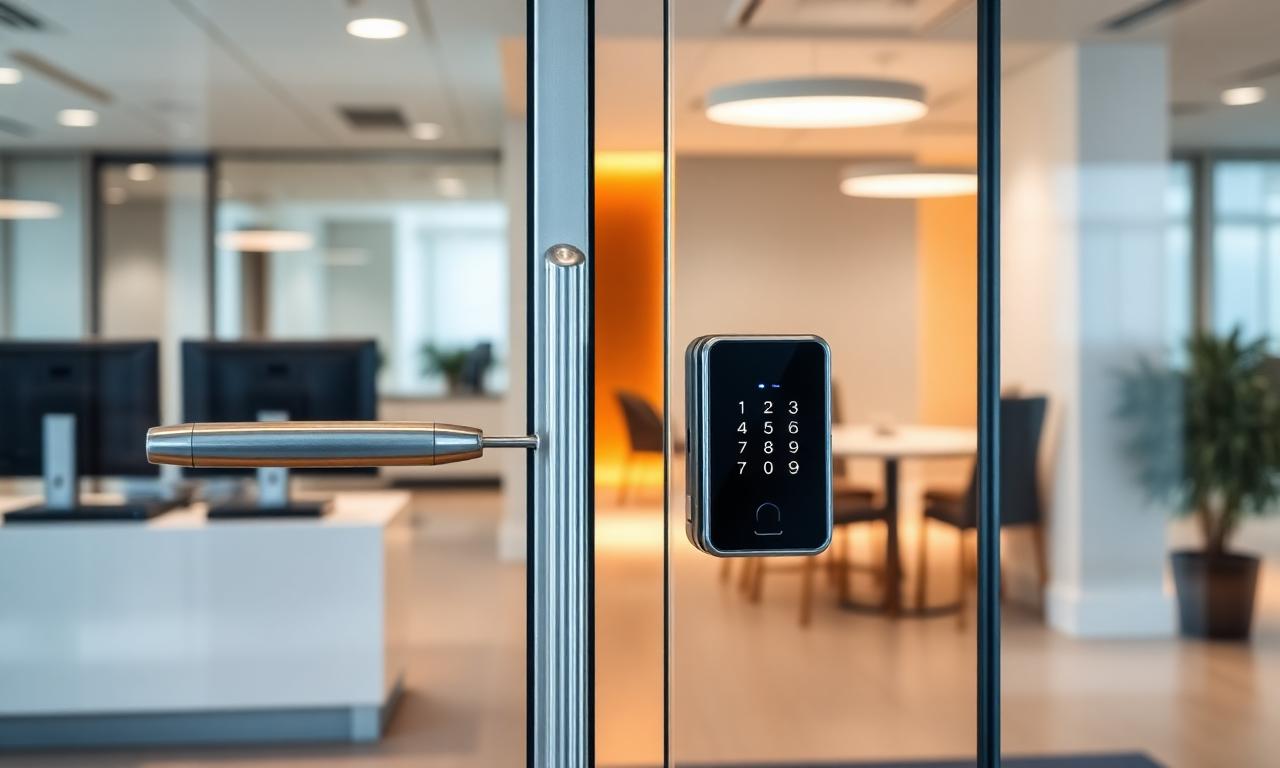
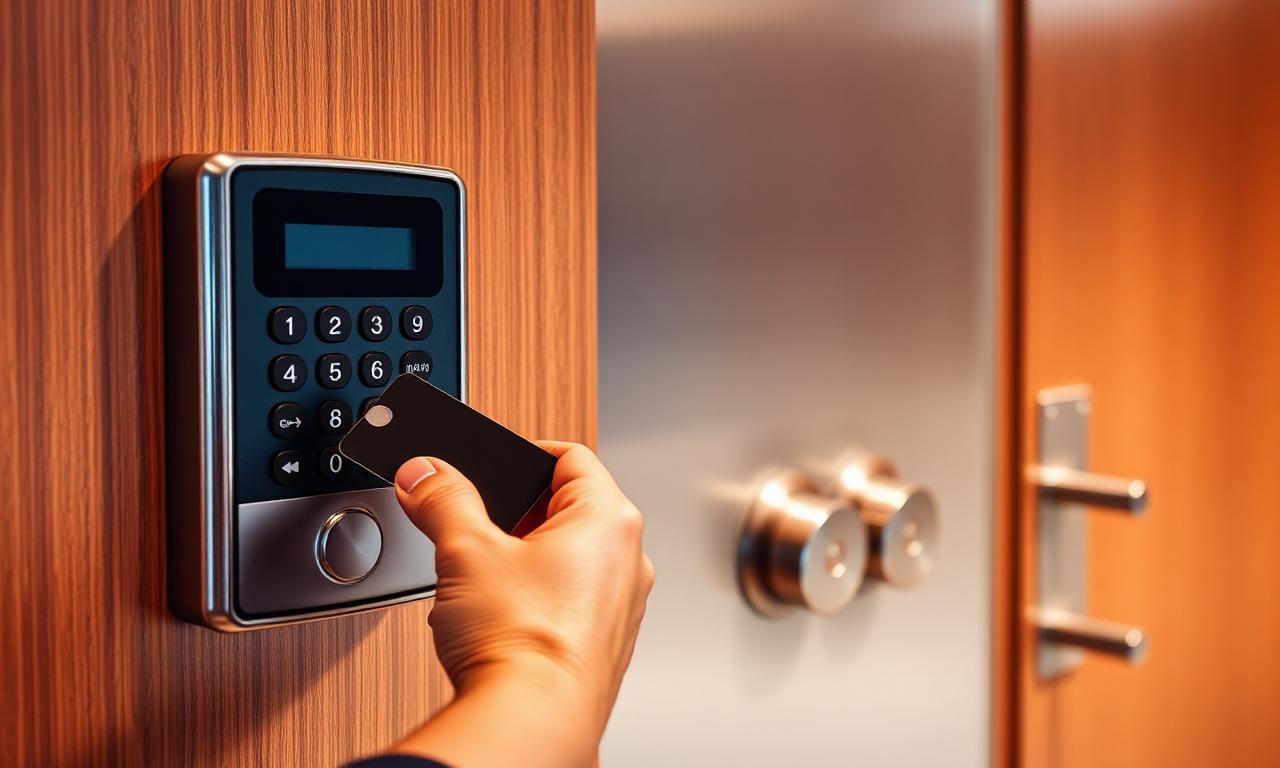
Electronic access control — card readers, keypads or biometric entry — removes the risk of lost keys entirely. Credentials can be activated or deactivated instantly, which is ideal for managing contractor access, temporary staff and cleaning crews. When paired with a master-key backup, you have both digital convenience and mechanical redundancy. Our emergency locksmith team also services and repairs access-control hardware after hours, so a faulty reader never leaves your premises exposed overnight.
Protecting sensitive areas and retail security
Warehouses, stock rooms, server rooms and accounting offices need tighter protection than general office space. Rather than replacing every lock, we often fit additional deadlocks or restricted cylinders on the doors that carry real risk, leaving the standard office locks that are already adequate alone. For retail units in Randburg and shopping-centre tenants in Fourways, this targeted approach secures high-value stock areas without the expense of a full-building overhaul.
Cost-effective security improvements that matter
Sometimes the smallest changes have the biggest impact. Longer strike-plate screws make a door far harder to force. Anti-snap cylinders close the most common forced-entry method on standard commercial locks. Reinforced latch guards protect against jemmying. These are not expensive upgrades, but they transform a basic lock into a genuine barrier. If you are unsure which doors need attention first, our technicians carry out a quick commercial security review and tell you exactly where to invest — and what to leave alone. For businesses with mixed residential and commercial premises, our residential locksmith team can assess staff housing and executive homes at the same time.
Need a security review?
Our commercial locksmiths assess your premises and recommend targeted upgrades — nothing more, nothing less. Call or WhatsApp to book.
Related Locksmith Services
Business security overlaps with our wider services. Browse what else our technicians provide for premises, vehicles and after-hours emergencies.
Emergency Locksmith
24/7 office lockouts and rapid response after attempted forced entry.
View all →Lock Change Services
Commercial lock replacement, restricted keys and security upgrades.
View all →Residential Locksmith
Home and estate security for staff and business owners.
View all →Automotive Locksmith
Fleet and company-vehicle key replacement and lockouts.
View all →Locked out of the office?
Get your team back to work fast. Call or WhatsApp and a commercial technician is dispatched straight away.
The Doors a Building Forgets It Has
Every commercial premises has a set of doors that appear on no inventory, belong to nobody in particular, and are opened perhaps twice a year. They are also, consistently, the doors carrying the least considered hardware in the building.
Comms and server cupboards. Riser and service cupboards on each floor. Meter rooms. Roof access. The room housing a pump or a generator. Storage under a stairwell. Whatever door leads onto the fire escape. None of them is anybody's responsibility in particular, which is exactly why none has ever been assessed.
Their keys follow the same pattern. They sit on a ring in a maintenance office, with a caretaker who has since left, or with the contractor who last serviced the equipment behind them. When one genuinely has to be opened — a leak, an outage, an inspection — the first hour goes on establishing who holds the key, during exactly the sort of event where an hour is expensive.
Two things follow. Those doors want to sit inside the building's key structure rather than outside it, so access is a defined permission rather than an act of archaeology. And the two or three that lead somewhere consequential deserve hardware appropriate to what is behind them, rather than the internal handle the room came with. Both are settled in one scheduled visit — see master key systems.
Not sure who can open what in your building?
That is a structure question rather than a hardware one. Call and describe the premises — it is scoped on door count and it is usually a single visit.
The People Who Come In After You Leave
Every commercial premises has a second population that uses its doors when the business is closed, and it is almost never counted in the access plan.
Cleaning crews are the largest part of it. They arrive after hours, they need the suite and usually the internal doors, they work for a contractor rather than for you, and the individuals change without anybody telling you. Whatever key was issued at the start of the contract has passed through a number of hands that is genuinely unknown.
Then everybody else on that pattern: the plant maintenance contractor, whoever services the air conditioning, the IT company with after-hours access to the comms room, and possibly a security company holding a response key.
Each of those arrangements was reasonable when it was made. The difficulty is that none has an end date and none is reviewed when the contractor changes. A business that cannot say how many people can enter its premises out of hours has not made a bad decision — it has made ten sensible ones over five years and never looked at them together.
The correction is structural rather than suspicious: a contractor gets a key that opens what their work requires and nothing else, and that key is retired when the contract is. Without a structure there is nothing smaller to hand over than the premises, so every arrangement defaults to full access.
Escape Routes Are Not a Security Trade-Off
Panic hardware exists to do one thing: open from the inside, always, without a key, under pressure from somebody who is not thinking clearly. That is also precisely why it gets defeated.
A fire door that opens freely from the inside is a door staff use as a shortcut, a door that gets propped for a smoke break, and a door somebody eventually walks in through. The response, in a very large number of premises, is a chain and a padlock added by whoever got tired of it.
That solves the problem it was aimed at and creates a considerably worse one. A chained fire exit is not a security measure with a side effect. It is an exit that does not exist, in a building where people are told it does.
The answer is hardware rather than restriction. Panic hardware with an alarm on it, or a monitored contact, keeps the door instantly openable from the inside while making misuse immediately obvious — which removes the reason anybody reached for a chain. See panic bar installation for what an assessment looks at.