The Assumption That a Car Has To Go Somewhere
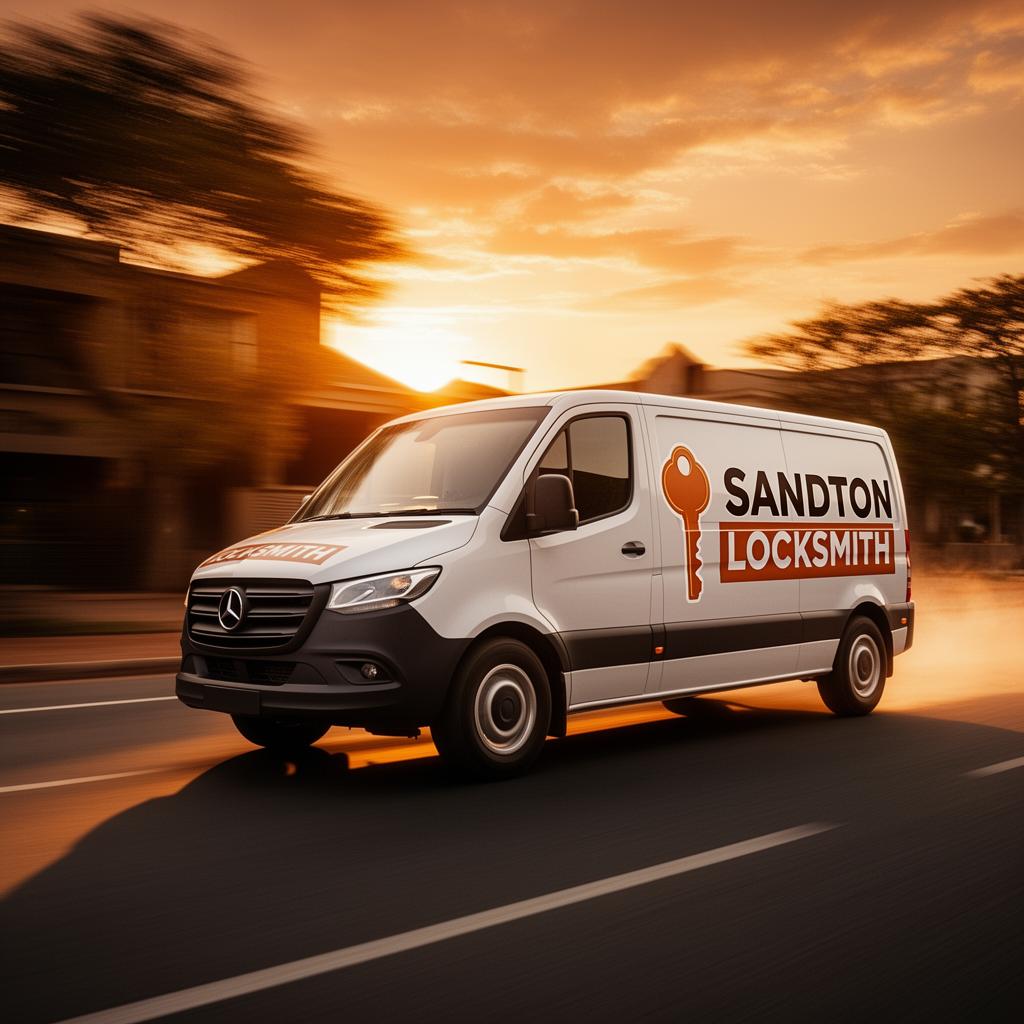
The default assumption when a car will not open or will not start is that it has to go somewhere — a dealership, a workshop, the end of a tow rope. For lock and key faults specifically, that is almost never true, and the difference in cost between the two approaches is substantial. Our automotive locksmith work is built around the vehicle not moving.
That is not a claim that everything is possible at a roadside. It is that the category of problems people most often tow for — locked out, key lost, key not recognised, ignition faults — is largely mobile work.
This article covers what a vehicle technician carries, what genuinely cannot be done on site, and how to tell which situation you are in before anybody quotes for a tow.
Been told the car has to be towed?
Before arranging that, call and describe the fault. Lock and key problems are usually mobile work rather than workshop work.
What a Vehicle Technician Carries
Not an exhaustive inventory, but it explains why most of these jobs finish where the car is standing.
Non-destructive entry tooling for a wide range of makes and locking systems, so a vehicle with the key inside is opened rather than broken into. That is the bulk of our locksmith for car lockout work and it very rarely involves damage.
Extraction tools for keys that have snapped in a door or an ignition, which matter more than people expect. A blade removed properly leaves the lock usable; removed with the wrong tool it turns a small job into a barrel replacement.
Programming equipment covering common chip families, so a transponder can be matched to the vehicle at the kerb rather than at a workshop \u2014 the whole point of our transponder key programming being a mobile service.
Where the Vehicle Is Standing Changes the Job
The second question after the make of the car is where it actually is, and it matters more than people expect.
An open-air bay or a driveway is straightforward. A basement or covered parking level introduces height restrictions that decide which vehicle can attend, and centre or building security that will reasonably want to know why somebody is working on a car.
A roadside on a narrow street introduces a different problem: whether the technician can work from the pavement side or has to work on the traffic side, which changes the approach and sometimes the timing.
None of that is an obstacle if it is known in advance. Saying the location precisely on the call means the right approach arrives with the technician, which is exactly what our car lockout in Randburg dispatch asks for first.
Mobile Work, and the Exceptions
Six situations, and whether the vehicle needs to go anywhere.
Keys locked inside
Mobile. Manipulation at the kerb, usually without damage, and the vehicle does not move.
Key lost, common make
Mobile. The blade and the transponder are both produced and programmed where the car stands.
Key snapped in the ignition
Mobile. Extraction on site, and the barrel usually survives if nothing has been tried on it first.
Ignition barrel worn out
Usually mobile. Replacement and matching are done at the vehicle rather than at a workshop.
Unusual make, specific blank needed
Sometimes a second visit. You are told on the call rather than after somebody has already travelled.
Engine fault with a key the car accepts
Not a locksmith job at all. That is a mechanic, and we will say so rather than charge you to find out.
Key lost rather than locked inside?
A different job with a different timeline, and still usually mobile. Call with the make, model and year.
Why Towing Is So Often Unnecessary
This is worth being direct about, because it is where the money goes.
A tow costs the tow, and then it costs the workshop, and then it costs whatever the workshop charges for a job a mobile technician could have done at the kerb in the same afternoon. It also removes the vehicle from wherever you needed it to be.
For lock and key faults specifically, the reasons to tow are narrow: a genuinely unusual make where the required equipment is not carried, or a fault that has turned out to be mechanical in a way that is not a lock at all.
The useful step is a phone call describing the symptom before anything is arranged. It costs nothing, and it frequently converts a towing bill into a callout \u2014 which is what our car locksmith in Fourways technicians establish on the phone rather than at the workshop.
What Mobile Does Not Mean
Two things are worth being clear about, because both get oversold.
It does not mean instant. Travel is travel, and access at a centre or a building takes what it takes. Twenty to thirty minutes is a working range rather than a guarantee, and anybody promising a number before knowing where the vehicle is standing is guessing.
And it does not mean every job is finished on the visit regardless. An unusual make can need equipment that is not carried as standard, and that is said on the call rather than discovered at the kerb — the same honesty our emergency locksmith dispatch applies to property work.
What it does mean is that the default is the vehicle staying where it is, and that towing is the exception rather than the assumption. On a lock or key fault specifically, our car locksmith in Sandton technicians expect to finish at the kerb.
How a Mobile Vehicle Visit Runs
Five steps, all at the vehicle.
- Step 1
The location and access are established
Roadside, driveway, open bay or basement. Height limits and security procedures all follow from this.
- Step 2
Anybody inside the vehicle comes first
A child or an animal shut in a car changes the priority immediately and is said in the first sentence.
- Step 3
Ownership is confirmed
Registration papers, a matching licence, or documents visible once it is open. Asked every time.
- Step 4
The work is completed at the vehicle
Opening, extraction, key production or programming, done where the car stands rather than at a workshop.
- Step 5
Everything is tested before you leave
Doors, boot and ignition with the new key alone. A key that works in the door and not the ignition is not finished.
Four Things To Say on the Call
Each of these changes what arrives, and all of them are free.
- Whether anybody is inside the vehicle
- First sentence. It is the only thing that changes the priority of the job.
- The make, model and year
- Including the year. It decides the system, the equipment and whether an accurate answer is possible.
- Exactly where the car is standing
- Centre, level and bay, or the street and which side. Height limits and security follow from this.
- Whether the key is inside, gone, or not working
- Three different jobs with three different timelines. Describing the wrong one causes every roadside surprise.
How the Service Operates
Checkable operating facts rather than claims. Reviews sit on our Google Business Profile, readable directly.
Save the number before the next parking bay
Call or send a WhatsApp message now and store it. A saved number beats searching next to a locked car.
Private Parking Is a Permission Problem
Two identical vehicles with identical faults can produce completely different callouts depending only on where they are standing, and the difference is rarely mechanical.
A car on a driveway or in a private bay is the straightforward case. There is room to work, the vehicle is stable, and nothing outside the job constrains it.
A car in a shopping centre, an office basement or a residential parking deck is standing on property controlled by centre management, a managing agent or a body corporate, along with whoever holds their security contract. A technician working visibly on a vehicle there is doing so on somebody else's premises, and that somebody will quite properly want to know who authorised it.
None of that is unreasonable and all of it is slow when it is discovered rather than arranged. The remedy is entirely procedural: the driver speaks to the security desk or control room before anybody is dispatched, and the question is already answered by the time a vehicle arrives.
Basements add a second layer that catches people out. Access to the level itself is frequently controlled, which means the technician may be unable to reach the car at all until somebody admits them — a separate problem from opening it, and one that has to be solved first.
Older Vehicles Are Slower, Not Easier
There is a widespread assumption that an older car is simpler to open, and in the sense that matters it is the other way round.
The reason is not the lock. It is everything surrounding the door. Rubber seals harden with age and with sun: a seal that was supple when the car was new becomes stiff and brittle after fifteen summers, and loses the ability to compress and then recover. That matters because non-destructive vehicle entry involves creating a controlled gap, and a brittle seal is far more likely to split or take a permanent set than a flexible one.
Paint and trim age on the same curve. Older paintwork is thinner at the door edges after years of washing and weather, and plastic trim becomes brittle enough that a clip which would flex on a new car simply snaps on an old one.
So an older vehicle wants more patience and more protection rather than less, and a technician who works a twenty-year-old car the way they would work a three-year-old one will leave evidence of having been there.
It is also why an improvised attempt does disproportionate damage on exactly the vehicles whose owners are most tempted to make one — the cars where a wire through the window is remembered as having once worked.
Related Reading and Services
Automotive locksmith
The full service: lockouts, key replacement, transponder programming and ignition faults.
Automotive locksmithCar lockout
How a locked vehicle is opened, what proof is asked for, and what changes in a basement bay.
Car lockoutCar lock repair
Worn door locks and barrels, which produce symptoms people routinely blame on the key.
Car lock repairCar locksmith in Fourways
Vehicle work around the retail nodes where most of these calls actually come from.
Car locksmith in FourwaysThe four automotive jobs
Which of the four you have, and why describing the wrong one causes roadside surprises.
The four automotive jobsLocked out at a shopping centre
The practical order of operations when the car is in a centre parking bay.
Locked out at a centreIf this was useful, our article on people first, then the vehicle covers what counts as a genuine vehicle emergency, and lost car keys covers the first hour, in the right order.