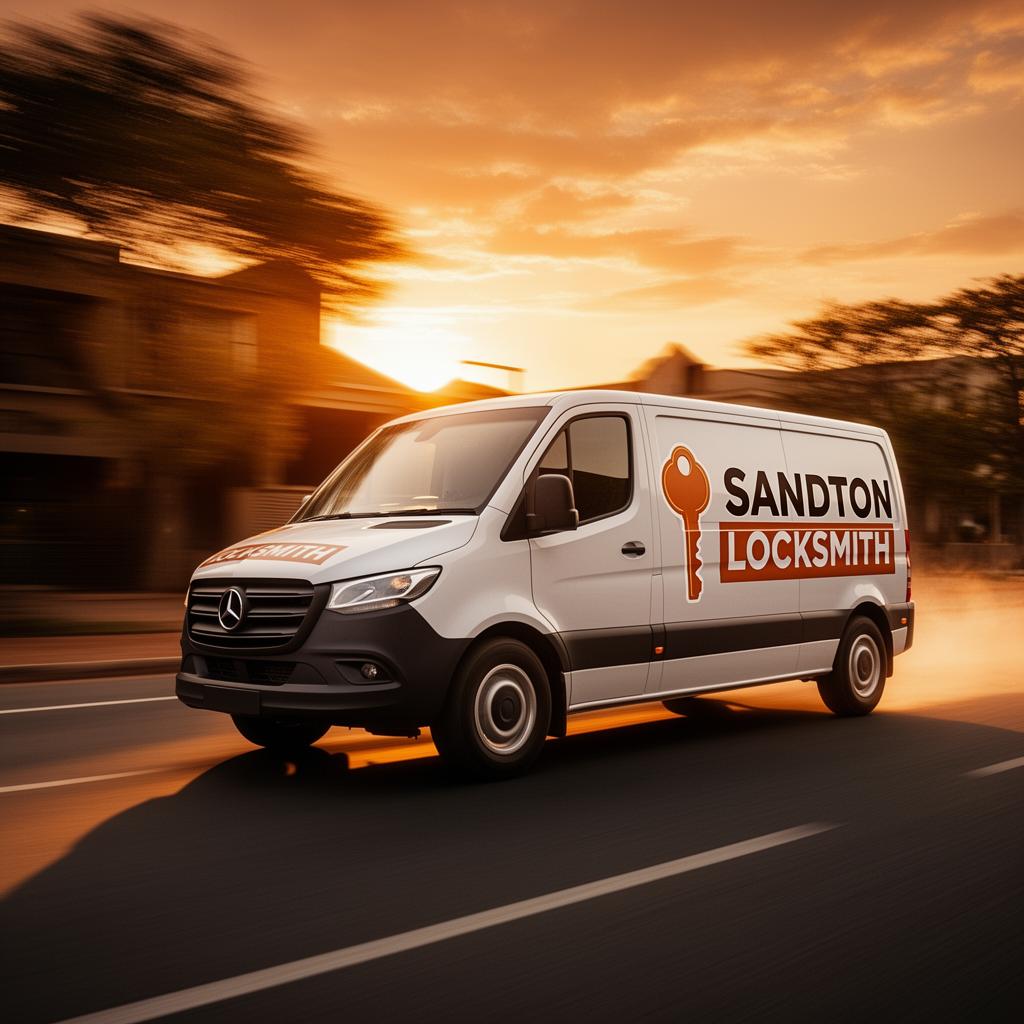
Describing Where the Car Is Precisely Enough To Be Found
A vehicle lockout at a very large centre has a problem that a driveway lockout does not: describing where the car actually is, precisely enough for somebody to walk to it. Multiple levels, multiple entrances, colour-coded zones and thousands of bays make that considerably harder than it sounds, and it is regularly the longest part of the job. Our locksmith for car lockout work at large centres starts there rather than at the vehicle.
The second problem is that a large centre is a managed environment. Security has a process for contractors, some levels have height restrictions, and some centres want the driver present throughout.
This article covers both, what to note before you walk away from your car, and how the callout actually runs.
Keys locked in the car right now?
Call and say the centre, the parking level, the zone and the nearest entrance. And first, whether anybody is inside the vehicle.
Describing Where the Car Actually Is
A street address is close to useless at a centre of this size. Here is what is genuinely useful.
The parking level, by whatever the centre calls it. The zone or colour, if there is one. The nearest lift, escalator or entrance, which is what somebody will actually navigate towards. And the bay number if you can see one from where you are standing.
If you have none of those, the fallback is the nearest shop or landmark inside the centre that you can walk to and stand at. Meeting a technician somewhere identifiable and walking them to the car is far quicker than trying to describe a bay you cannot name — the same practical approach our car locksmith in Sandton technicians use at every large centre.
Say whether the level is basement, covered or open-air as well. Height restrictions decide which vehicle can attend, and that is worth knowing before somebody arrives at a boom — which our car lockout in Sandton dispatch asks about first.
The Centre Has Its Own Process
A large managed centre treats a locksmith as a contractor, exactly as it would any other trade with tools, and that is entirely reasonable.
Security will want to know who the technician is, which vehicle they are attending, and on whose behalf. Some centres require the driver to be present throughout, and some will send a security officer to observe. None of that is an obstacle if it is anticipated.
The fastest route is two calls in parallel: phone us, and phone or walk to centre security at the same time so a technician is expected. That routinely saves more time than anything on the road, and it is the same dynamic our emergency locksmith dispatch works with at managed buildings generally.
Proof of ownership is asked for regardless. A registration document, a licence matching the vehicle, or paperwork visible inside once it is open — the same standard applied on every automotive locksmith job.
Six Versions of the Same Afternoon
All of them start in a parking bay and none of them are quite the same job.
Keys shut in the boot while loading
The classic. Manipulation, usually quick, and the reason to keep keys in a pocket rather than putting them down.
Cannot find the car at all
More common than people admit. Security can usually help, and it is worth resolving before calling a locksmith.
Basement bay with a height limit
Worth saying on the call. It decides which vehicle attends and whether security needs involving first.
Key genuinely lost inside the centre
A different job with a different timeline. Report it to centre management as well — keys get handed in.
Child or animal inside
Say it in the first sentence. It moves to the front of the queue and changes the damage threshold immediately.
Car will not start rather than open
Not a lockout. Frequently an immobiliser or ignition fault, and diagnosed differently.
Key lost inside the centre rather than locked in the car?
Report it to centre management too — keys handed in are usually handed in quickly. Then call about the replacement.
What Happens Once the Technician Is at the Car
The logistics are the hard part. The vehicle work itself is the same as anywhere.
A car with the key inside is opened by manipulation, and on most makes without any damage at all. The method follows the make, the model year and the locking system rather than any universal technique, which is why a fixed time cannot honestly be quoted before seeing it.
A key that is genuinely gone is a longer job, because a modern key is two things: a mechanical blade and a transponder the immobiliser must recognise. Both have to be produced and matched, which our car key replacement page sets out in full.
And a key snapped in a door or ignition is an extraction rather than either — usually quick, and usually leaving the lock perfectly usable provided nothing has been tried on the fragment first, as our car lock repair page explains.
Why the Delay Is Almost Never the Lock
It is worth stating plainly, because people apologise for the wrong things when they call.
Opening a locked vehicle is usually a short job. What takes the time at a very large centre is the sequence around it: establishing where the car is, getting a technician admitted, finding the right level, and walking to a bay in a space with thousands of them.
That is why the useful preparation is entirely locational rather than technical. Nobody needs you to know anything about your locking system; they need to be able to walk to your car — the same reasoning our car locksmith in Fourways technicians apply at every retail node.
And it is why an accurate description of the problem matters as much as the location. A lockout, a lost key and a vehicle that will not start are three different jobs, and our automotive locksmith page separates them so the right equipment arrives the first time.
How a Large-Centre Callout Runs
Five steps, and three of them happen before anybody reaches the vehicle.
- Step 1
Anybody inside the vehicle comes first
A child or an animal shut in a car changes the priority immediately. It goes in the first sentence of the call.
- Step 2
The location is pinned down properly
Level, zone, nearest entrance or lift, and bay if visible. Or an identifiable meeting point you can walk to.
- Step 3
Centre security is told in parallel
Ideally by you at the same time as calling us, so a technician is expected rather than questioned at a boom.
- Step 4
Ownership is confirmed
Registration papers, a matching licence, or documents visible once it is open. Asked every time.
- Step 5
The vehicle is opened where it stands
Manipulation on most makes without damage. Nothing is towed anywhere for a lock or key fault.
Four Habits That Prevent the Boot Lockout
None of these are products. They are what actually stops it happening again.
- Keys in a pocket, never in the boot
- The lockout happens because hands are full and keys go down. Keeping them on you removes the failure mode.
- Close the boot last, deliberately
- Bags in, keys checked, then close. Trivial, and the difference between a normal afternoon and a callout.
- Know whether your car locks itself
- Many vehicles secure with the key inside. Worth knowing which behaviour yours has before you find out.
- Photograph the bay marker
- Two seconds, and it converts the hardest part of a large-centre callout into a sentence you can read out.
How the Service Operates
Checkable operating facts rather than claims. Reviews sit on our Google Business Profile, readable directly.
Save the number before the next shopping run
Call or send a WhatsApp message now and store it. A saved number beats searching next to a full boot.
What a Centre's Security Needs To Hear
The step that causes most of the delay in a shopping centre lockout is not mechanical, and it is entirely avoidable by one short conversation held in the right order.
Centre parking is private property under the control of management and their security contractor. Somebody arriving to open a vehicle there is performing visible work on premises that are not theirs, and security will quite properly want to establish who authorised it before it begins. That is a control functioning as designed.
What they need is simple and they need it from you rather than from a technician they have never met: that a locksmith has been called for your vehicle, which bay it is in, and that you will be present. Given that in advance, the whole thing proceeds without friction.
Given nothing, a technician arrives, is stopped, and everybody waits while it is resolved from a standing start by people who were not expecting the question and have no reason to take anybody's word for it.
Basement levels add a second layer, because access to the level itself is frequently controlled — which means the technician may be unable to reach the vehicle at all until somebody admits them. That is a different problem from opening the car, and it has to be solved first.
The Two Minutes Before Anybody Arrives
There is a short list genuinely worth working through while a technician is on the way, and a shorter list worth leaving alone.
Worth checking: every door, including the ones nobody uses, because central locking occasionally fails to secure one. The boot, particularly on a hatchback, estate or SUV where the rear seats fold and give access to the cabin — and where on some models the boot releases independently of the central locking. And whether a window or a sunroof has been left open even slightly, which changes the approach and is worth reporting rather than leaving to be discovered.
Worth having ready: the registration, and something that connects you to the vehicle. The entitlement check takes under a minute when something is to hand and considerably longer when nothing is.
Worth leaving alone: anything involving a wire, a coat hanger, a screwdriver or a wedge. A modern door skin holds a window regulator, a speaker, wiring looms carrying door and mirror functions, and on many vehicles a side airbag with its sensor. An implement pushed into that space finds those rather than a mechanism, and wedging the frame to create a gap is bodyshop work.
The arithmetic is consistent enough to state plainly: the damage from an improvised attempt reliably exceeds the callout it was trying to avoid.
Related Reading and Services
Car lockout
How a locked vehicle is opened, what proof is asked for, and what changes in a basement bay.
Car lockoutCar locksmith in Sandton
Vehicle work across Sandton, including the three environments most calls come from.
Car locksmith in SandtonCar key replacement
When the key is gone rather than shut inside — a different job with a different timeline.
Car key replacementAutomotive locksmith
The full scope of vehicle work, and the four distinct jobs people routinely confuse.
Automotive locksmithLocked out at a shopping centre
The general version of this article, for centres of any size.
Locked out at a centreEmergency car locksmith
What counts as genuinely urgent, and the order things should happen in.
Emergency car locksmithIf this was useful, our article on what a technician notices at night covers reading a perimeter the way somebody testing it would, and working inside an office tower covers the vertical journey and who owns which door.